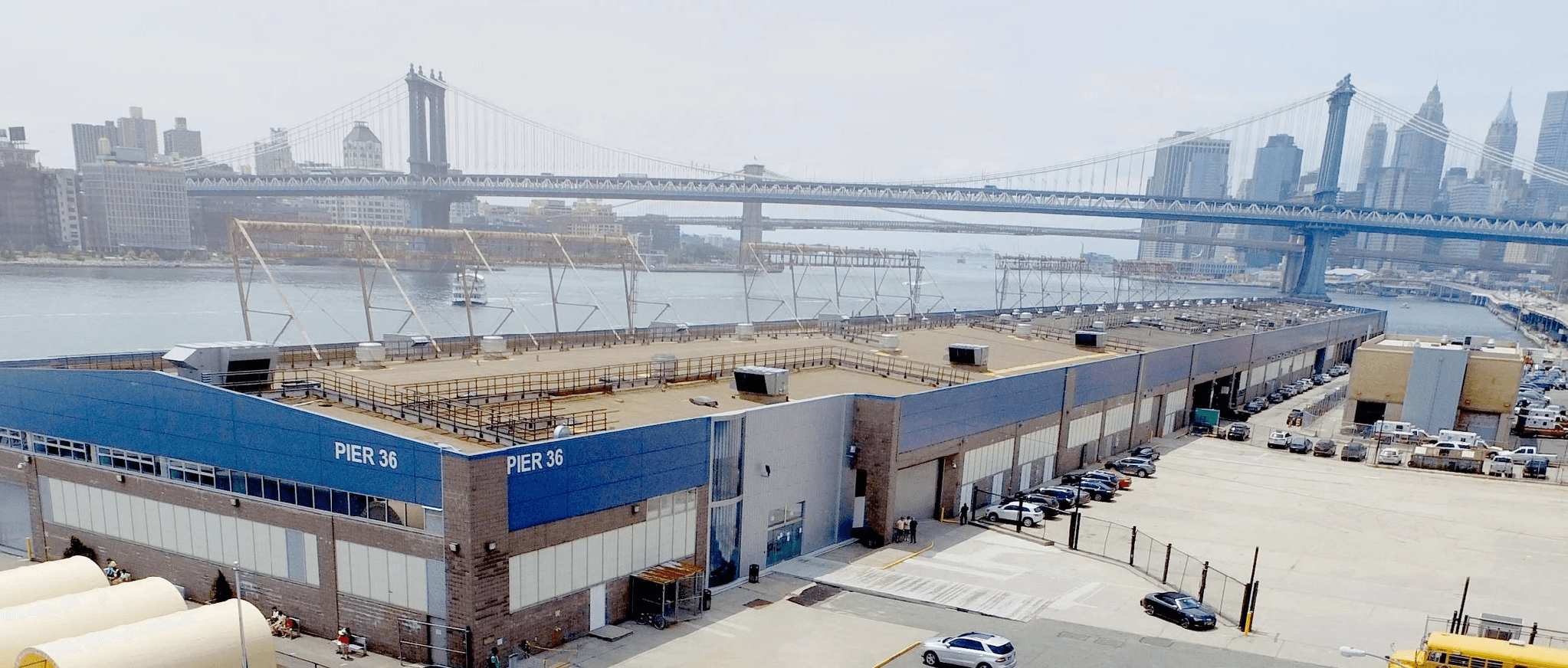
Pier 15 Transition

What it is:
The transition at Pier 15 creates a rare opening to restore the pier’s original maritime, educational and public-access mission.
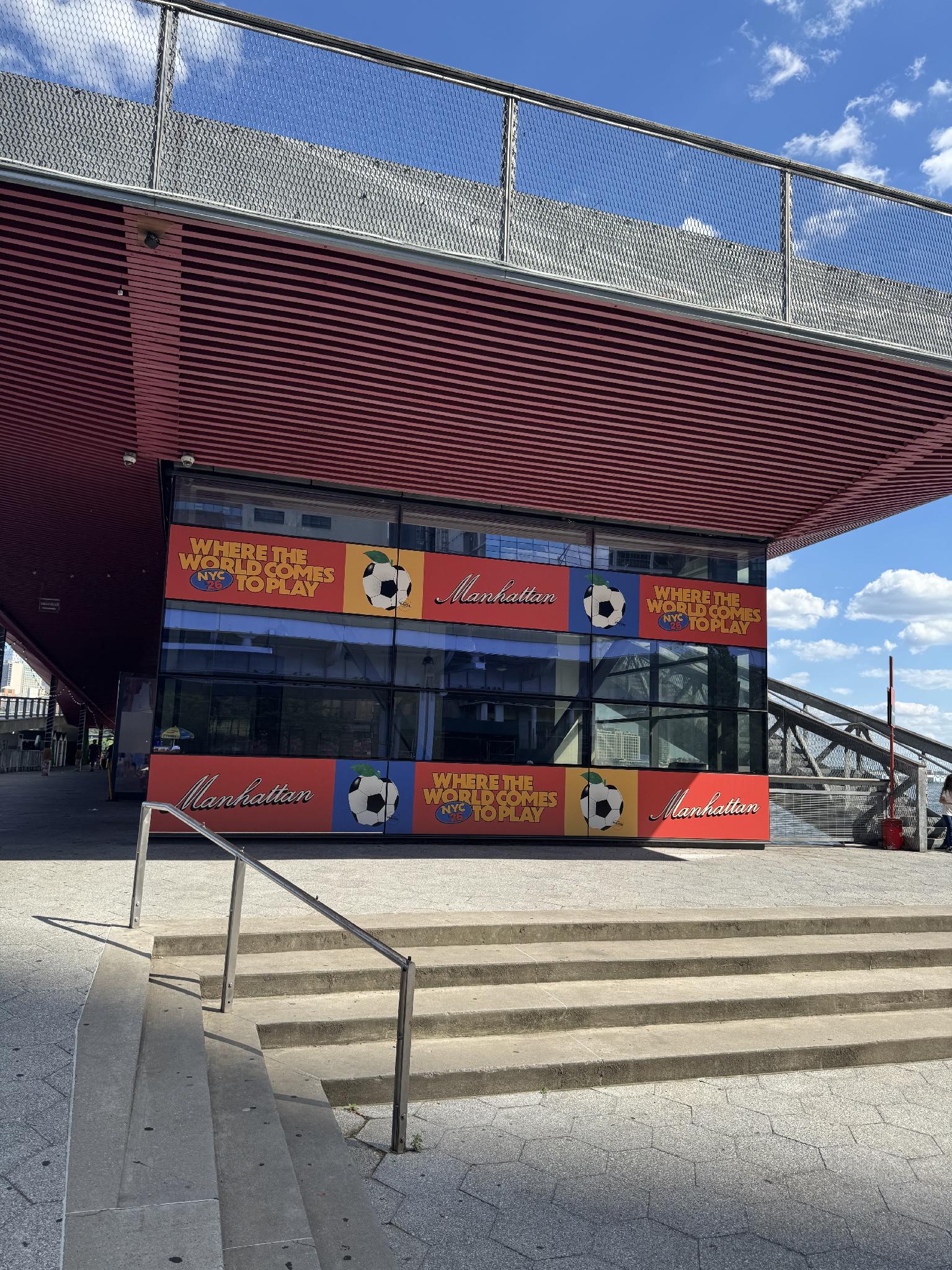
Hornblower’s lease has expired; however, its continued presence remains unresolved. NYCEDC assigned DOCKNYC interim responsibility for pier berths. The Glass Pavilion is vacant - the upper deck lacks public park recreational programming.
Why it matters:
NYCEDC’s 2011 request for proposal envisioned Pier 15 as a maritime, educational and publicly accessible waterfront destination — not simply a restaurant or event venue. The proposal sought maritime or environmental education, passenger excursion and harbor-tour activity, active vessel berthing and tie-up, and programming compatible with the public esplanade.
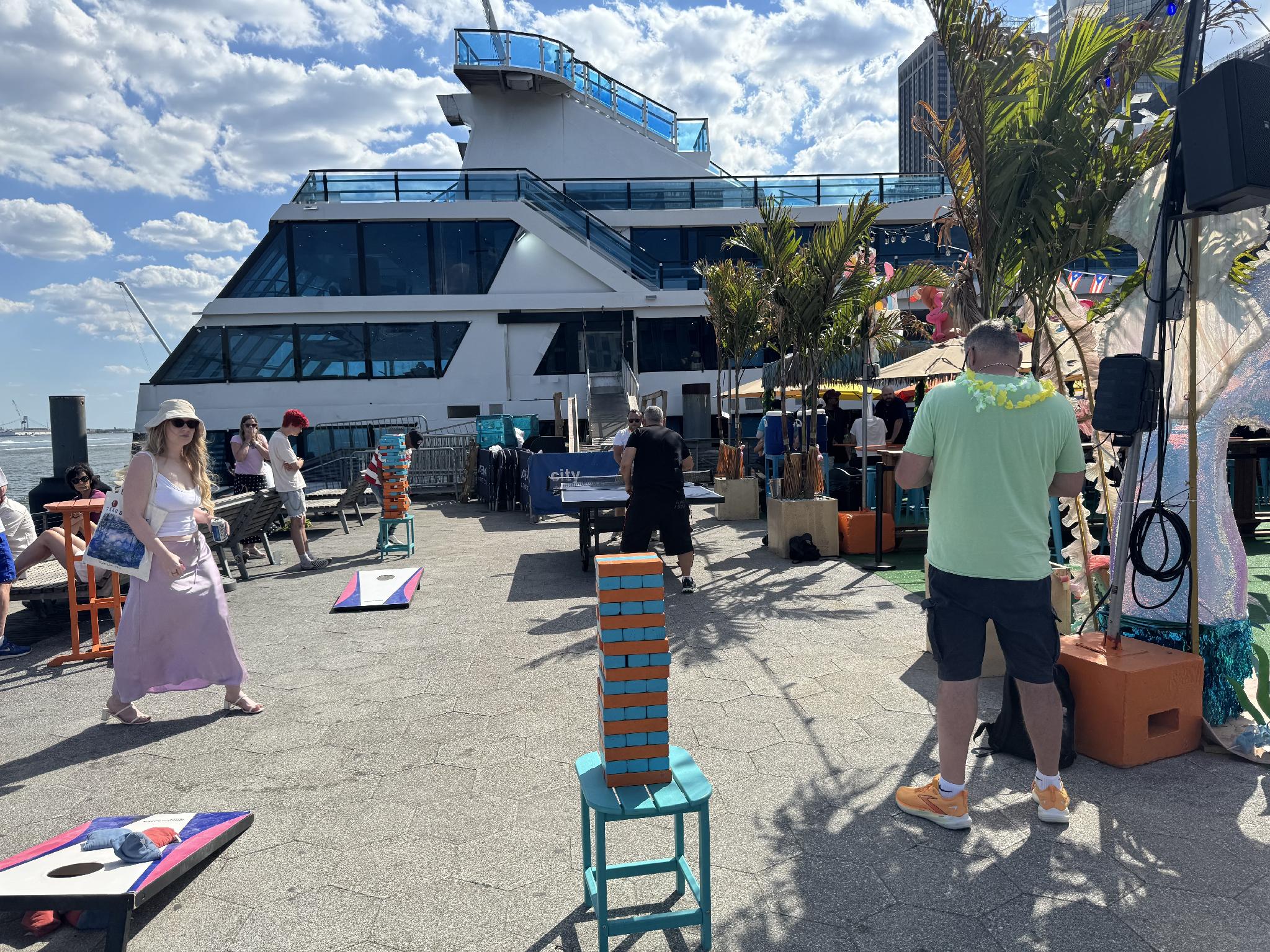
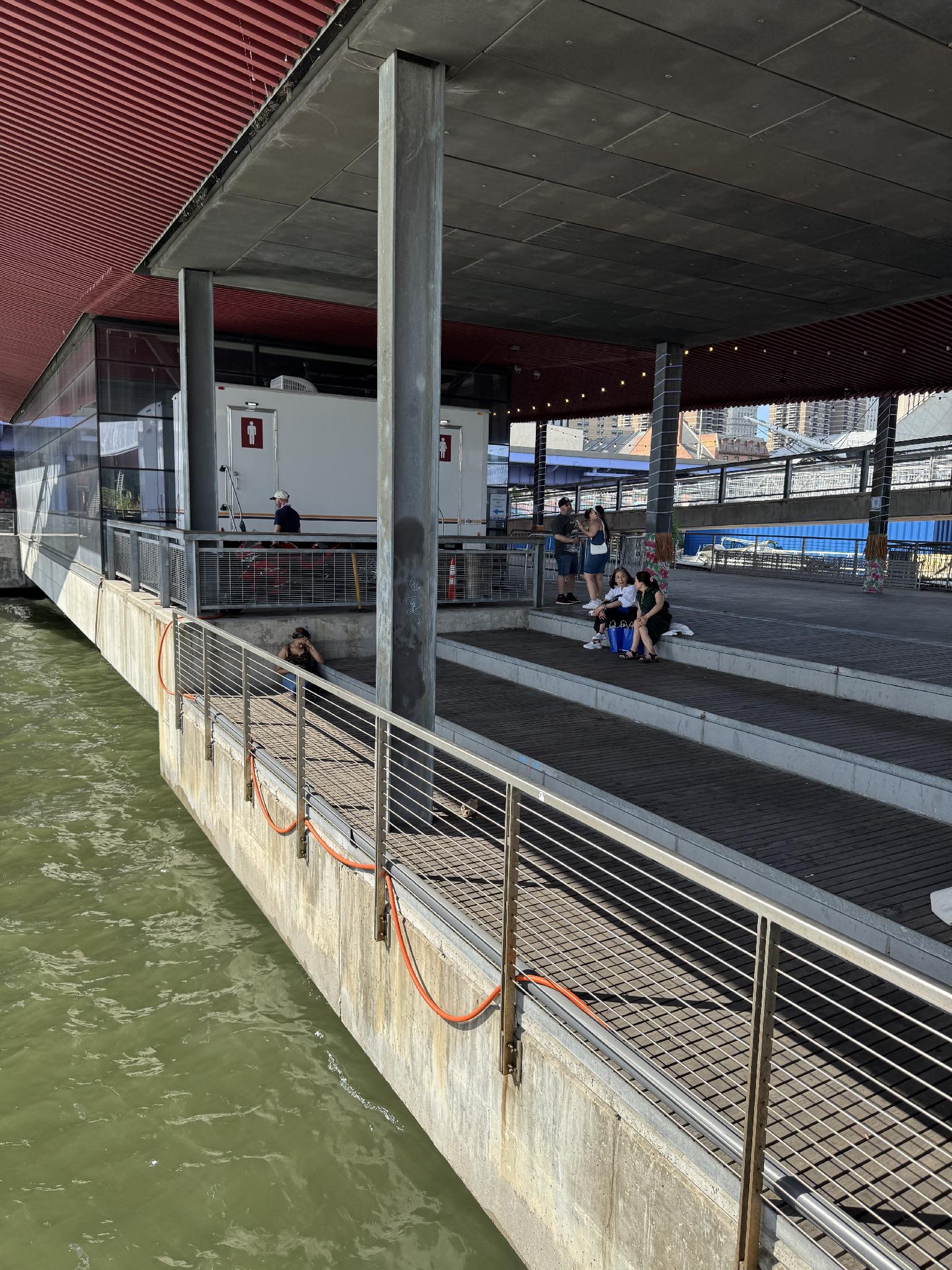
The reality today reflects a much different pier: dining, entertainment and private events dominate the pier, the Glass Pavilion remains vacant, the upper deck is largely unprogrammed, and the public-purpose mission remains unfulfilled. Public waterfront land should deliver the maritime, educational and public-access benefits promised when the pier was awarded.
In addition, the proposed JFK Staten Island Ferry project would dramatically change Pier 15’s character and scale. Potential berthing has been discussed behind closed doors. The community demands transparency and a seat at the table - residents are concerned Pier 15 could become a “party pier”, and impacts on noise, access, circulation and public use require study.
Who it serves:
Residents living near Pier 15, those that regularly frequent the pier, or visit it occasionally for recreational purposes.
What it could include:
The Glass Pavilion as a community gallery and gathering space.
The introduction of maritime, educational and recreational programming
A partnership with South Street Seaport Museum.
BtoBC position:
Turn public waterfront space back toward public use and take into account the public benefits and impacts of proposed future planning and development.
How residents can help:
Advocate for year-round public programming, ask for meaningful community review, and help turn a public pier back to the public.
Other Initiatives